What Not to Fix When Selling a House in the UK: Repairs Worth Skipping

If you are wondering what not to fix when selling a house in the UK, start with expensive cosmetic work that a buyer may immediately change anyway. Full kitchen and bathroom refits, major extensions, premium flooring, luxury garden upgrades and replacing working systems rarely make sense purely to secure a sale.
The exception is anything that could signal neglect, create a safety concern or cause problems during a survey. Fixing a leaking pipe or broken window is very different from spending £15,000 on a kitchen because yours looks dated.
3 Key Takeaways:
- Skip expensive cosmetic renovations unless the likely increase in value clearly outweighs the cost.
- Prioritise leaks, serious defects and simple maintenance that could worry buyers or surveyors.
- If you are selling for speed, major repairs may make less sense than selling the property in its current condition.
What Should You Not Fix When Selling a House?
Not every improvement will increase your sale price enough to recover what you spend. In August 2026, Rightmove reported that estate agents were seeing sellers over-invest in extensions, luxury kitchens, specialist rooms and other renovations that did not always translate into higher property values. Agents instead recommended focusing on maintenance, presentation and broad buyer appeal.
Here is where we would be cautious about spending money before selling:

| Repair or improvement | Usually worth doing before selling? | Why |
|---|---|---|
| Full kitchen replacement | Usually no | Buyers may have different tastes and you may not recover the cost |
| Full bathroom refit | Usually no | A clean, working bathroom is often enough |
| Major extension | Usually no | High cost, long timescale and no guaranteed return |
| Replacing a working boiler | Usually no | Maintenance may protect value without materially increasing it |
| Premium flooring throughout | Usually no | Highly dependent on buyer taste |
| Luxury garden makeover | Usually no | Expensive features do not appeal to every buyer |
| Highly personalised decorating | No | Neutral presentation usually appeals to a wider audience |
| Major energy upgrades purely for resale | Depends | Savings and value uplift may not cover the installation cost |
| Small visible maintenance jobs | Often yes | Broken handles, damaged doors and similar defects can suggest neglect |
| Active leaks or serious roof problems | Investigate | These can become survey and negotiation issues |
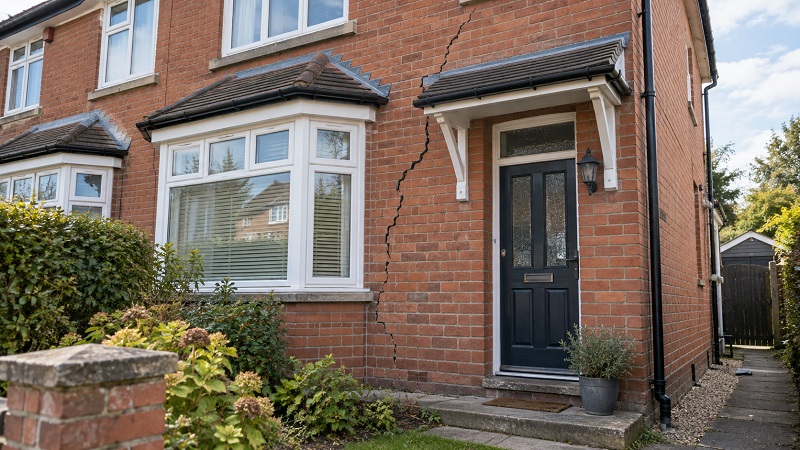
| Structural movement or subsidence signs | Investigate professionally | Buyers and lenders may require further evidence |
Do not simply paint over damp, movement cracks or another defect to make it disappear for viewings. The Law Society's current TA6 Property Information Form tells sellers to answer its questions truthfully, completely and as accurately as they can from their own knowledge.
If you know there is a significant problem, speak to your conveyancer about what information needs to be provided.
Housebuyers4u Insight: What We See Sellers Spending Money on Unnecessarily
From the properties our team reviews, one of the biggest mistakes is treating every problem as something that must be fixed before a sale can happen.
A dated kitchen, old carpet or unfashionable bathroom is easy for a buyer to understand. The cost is visible and the buyer can decide what they want to change.
Problems become more difficult when nobody knows what they involve. An unexplained crack, a recurring damp patch, or a leaking roof creates uncertainty. Buyers may then allow for more than the repair itself because they are also pricing in the risk of what might be behind it.
Our approach is therefore different for cosmetic and uncertain defects:
| What we see | Usually the better approach |
|---|---|
| Dated but working kitchen | Avoid a full replacement |
| Old but usable bathroom | Clean and repair rather than refit |
| Worn decoration | Refresh only where presentation is particularly poor |
| Small obvious maintenance job | Deal with it if it is quick and inexpensive |
| Expensive cosmetic renovation | Usually skip it |
| Unknown structural or damp issue | Establish what the problem is before spending heavily |
| Seller needs to move quickly | Compare the cost and delay of repairs with selling as-is |
The question should not be "Can I make this house perfect?" It should be "Will spending this money materially improve my sale?"
Expert insight from our property expert Paul Gibbens:
“I would not recommend spending thousands on a new kitchen or bathroom simply because you are about to sell. Buyers expect second-hand homes to have signs of age, and many want to make their own changes anyway. I would focus first on anything that creates uncertainty, such as a leak, unexplained damp or a structural concern. Knowing what the issue is can be more valuable than trying to make the whole property look new.”
The 4-Question Test Before Paying for Any Repair
Before authorising work, ask:
1. Is the problem cosmetic or functional?
A dated bathroom is cosmetic. A leaking shower is functional.
Functional defects normally deserve attention first.
2. Will fixing it increase the sale price by more than it costs?
Do not assume a £12,000 kitchen creates £12,000 of extra value.
Compare recent local sold prices and ask estate agents how much difference the improvement is realistically likely to make.
3. Could the issue cause survey, mortgage or conveyancing problems?
These issues deserve more attention than décor.
RICS found that 51% of respondents to its consumer research considered advice on property problems and likely repairs useful when buying, showing how important condition becomes once a sale progresses beyond the viewing stage.
4. Will the work delay the sale?
A repair that adds three weeks to your timeline may not make sense if you need to relocate, settle an estate, clear a mortgage or complete another purchase quickly.
Price, cost and time should be considered together.
Should You Repair a House Before Selling to a Cash Buyer?
Usually, much less work is necessary.
A traditional buyer may depend on a mortgage, a survey, and an onward chain, so property condition can have a greater impact on whether their purchase proceeds.
A professional cash house buyer assesses the property in its existing condition and can factor in required work when making the offer.
For that reason, sellers considering a direct cash sale should be particularly careful not to spend heavily immediately before asking for an offer. Get the offer first, then compare:
- What you would receive without doing the work
- The cost of the repairs
- The likely value after repairs
- The time required to complete them
- What you could realistically achieve through an estate agent instead
If the maximum sale price is your priority and you have time, conducting targeted work and selling on the open market may be worthwhile.
If speed and certainty matter more, doing less work and selling the property in its current condition can sometimes be the more practical option.
What Is the Best Repair to Make Before Selling?
There is no single repair that works for every property.
The most worthwhile jobs are often inexpensive fixes that remove obvious signs of neglect without trying to redesign the house:
- Repair broken handles and doors
- Stop minor leaks
- Replace failed sealant
- Clean thoroughly
- Clear excessive clutter
- Tidy the garden
- Replace visibly broken fittings
- Touch up particularly damaged paintwork
Rightmove's 2026 research reached a similar conclusion, with agents favouring low-cost, high-impact presentation and maintenance over expensive renovations undertaken solely for resale.
Selling Without Carrying Out the Repairs
You do not have to renovate a property simply because you want to move.
If your house needs substantial work, start by finding out what it is worth in its current condition. You can then compare that figure with the cost, time and likely return from carrying out the repairs yourself.
Housebuyers4u buys properties in a wide range of conditions, including homes that need significant repairs or modernisation. If you want to compare selling as-is with renovating first, you can request a no-obligation cash offer before spending money on the work.
That gives you an actual figure to compare against the repair bill, rather than renovating first and hoping the cost is recovered when you sell.
Find out how much we can Offer for your House