How to Spot Option Agreements: A Step-by-Step Guide for Property Sellers
Updated: April 2026
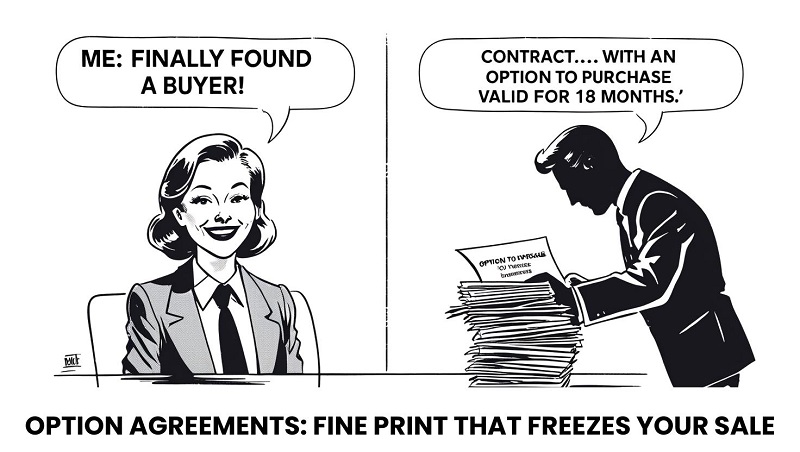
To spot an option agreement when selling your house, check the contract for phrases such as “option to purchase”, “option period”, “exercise date”, “exclusive right to purchase” or long and unclear completion dates. These agreements can give the buyer the right to buy your property later, without always committing them to complete the purchase straight away.
Key Takeaways:
- Always check your sale contract for phrases like “option to purchase” before signing.
- Watch out for long option periods or vague completion dates; they can delay your sale.
- If you’re unsure, get a solicitor to review the agreement for your protection.
What is an Option Agreement?
An option agreement is a contract that gives a buyer the right, but not always the obligation, to buy a property within an agreed period. During that time, the seller may be restricted from selling to anyone else, which can create risk if they need a fast, certain or straightforward sale.
Why You Need to Spot Option Agreements Early
Spotting option agreements early is vital because they can restrict your freedom to sell, often tying up your property for months while the buyer decides what to do. These agreements usually favour the buyer, not you, and can delay your sale or even cause it to fall through.
Did you know? Over 30% of property sales fall through due to complications from option agreements.
"Option agreements often serve the interests of the buyer more than the seller. Always opt for a straightforward cash transaction to avoid complications,"
Click here for more on Colin and option agreements
Now that we understand an option agreement, let's proceed to the step-by-step guide on how to identify it.
How to Spot an Option Agreement
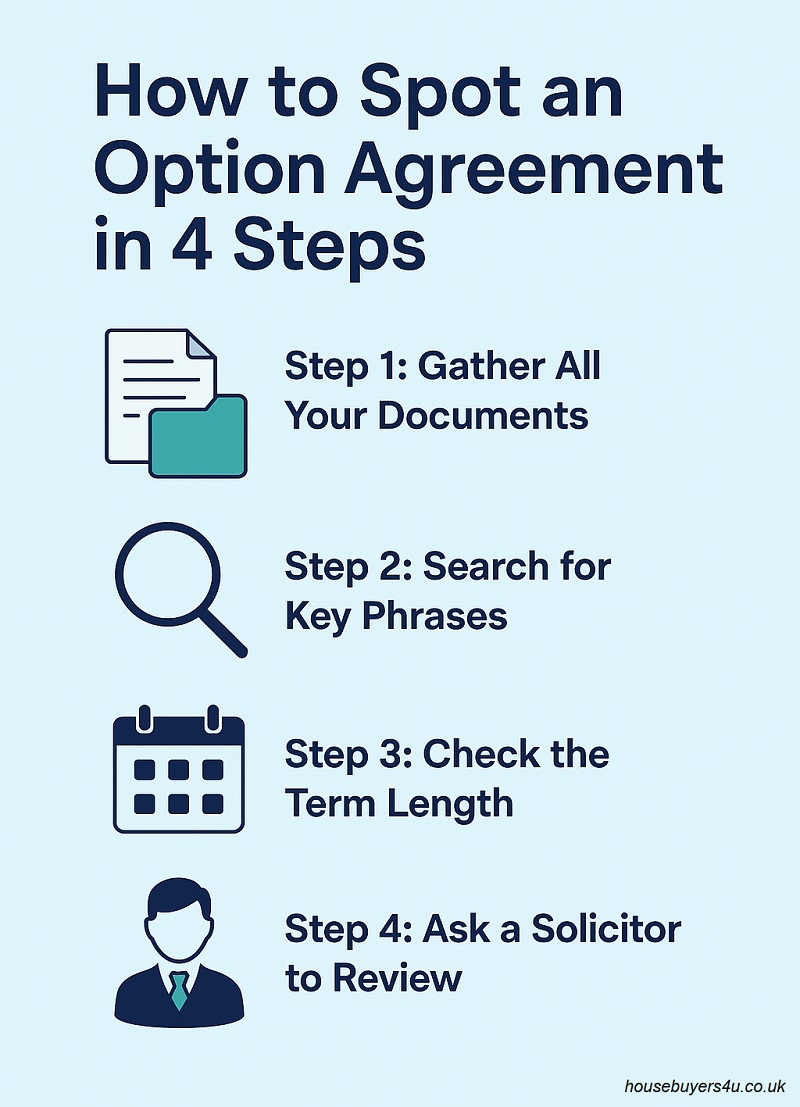
Step 1) Locate Your Property Sale Agreement
First, you need to find your property sale agreement. This is the first document where you may encounter an option agreement. Gather all related paperwork, including any preliminary contracts or amendments associated with your property sale.
This could have been set to you both digitally or by post.
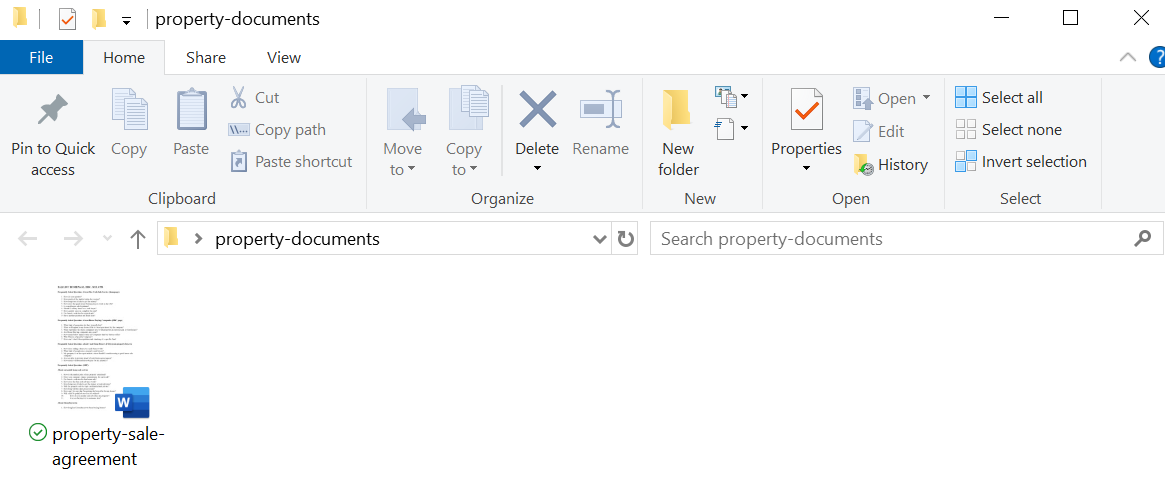
Having your documents in one place not only saves time but also reduces the stress of searching through miscellaneous files. With your sale agreement in hand, you’re prepared to scrutinise the terms closely, ensuring you understand every aspect of the deal, particularly any indications of an option agreement.
This step is crucial for homeowners, especially those in pressing financial situations, aiming for a straightforward and quick sale process.
Step 2) Search for Key Phrases
Start by searching your sale agreement for wording that suggests the buyer is being given a future right to buy, rather than making a straightforward purchase now.
Look for terms such as:
- option to purchase
- purchase option
- option period
- option fee
- exercise date
- exclusive right to purchase
- right to buy
- call option
- longstop date
- conditional completion
If your contract is digital, use Ctrl+F to search for these phrases. If it is a paper copy, read through the agreement carefully and highlight any wording that mentions future purchase rights, option periods, exclusivity or delayed completion.
“Right of first refusal” is not always the same as an option agreement, but it is still a clause sellers should understand before signing. It may affect whether you can accept another offer later, so ask your solicitor to explain exactly what it means in your situation.
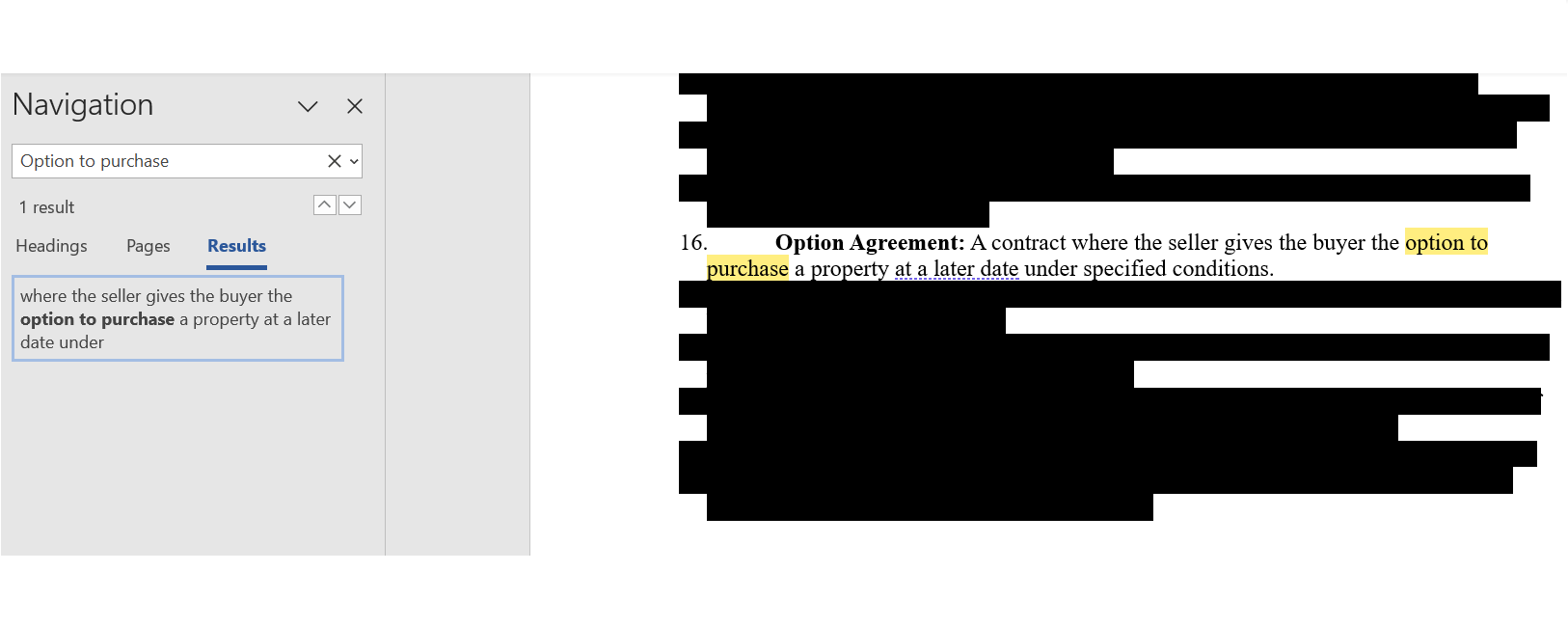
Identifying these phrases early in the review process can alert you to the presence of conditions that may complicate or delay your sale.
Step 3: Review the Term Length
Carefully examine the term length specified in your property sale agreement. This is crucial as option agreements often include time frames that extend well beyond typical closing periods. Look for any clauses that specify a prolonged period before the transaction must be completed or the option must be exercised.
Common words include:
- Closing date
- Term
- Months
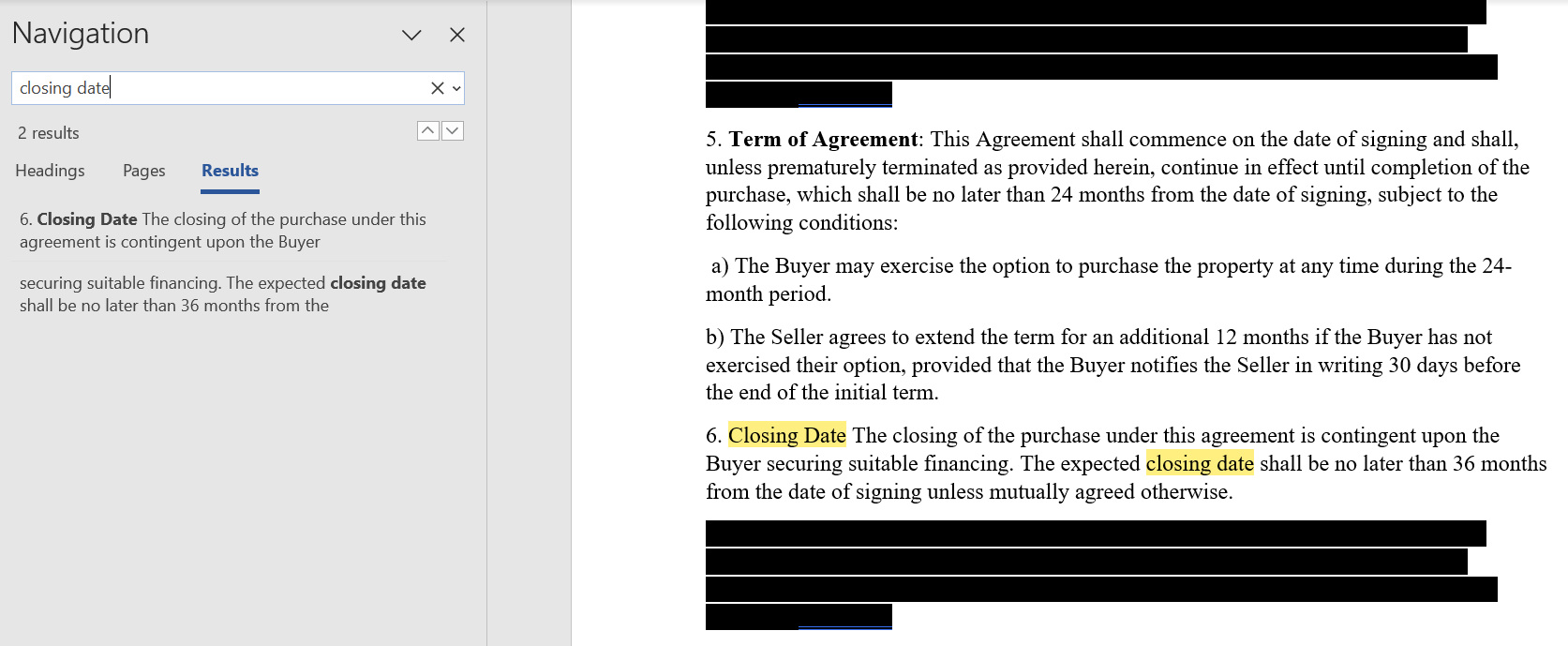
Extended term lengths can be a significant indicator of an option agreement. Such terms often put the seller at a disadvantage by delaying the finalisation of the sale, which can be particularly challenging for homeowners in need of quick resolutions. Recognising these extended terms early can allow you to address them proactively, either by negotiating different terms or preparing for the potential delay.
Advice from our Property Expert, Paul Gibbens:
"I’ve seen sellers get stuck for months because they didn’t spot a hidden option period buried in the contract. At HB4U, our contracts team consistently reviews these clauses as part of our service.
My advice? If you spot long-term or vague dates, ask questions and get a second opinion. It’s always better to pause and review now than lose out later."
Step 4: Confirm with a Professional
If, after your initial review, you suspect that an option agreement may be present in your contract, it is crucial to confirm this with a professional.
Find & Contact a solicitor specialising in property law who can provide expert advice and discuss the specific implications of the agreement for your situation. In the UK, using the website below can help.
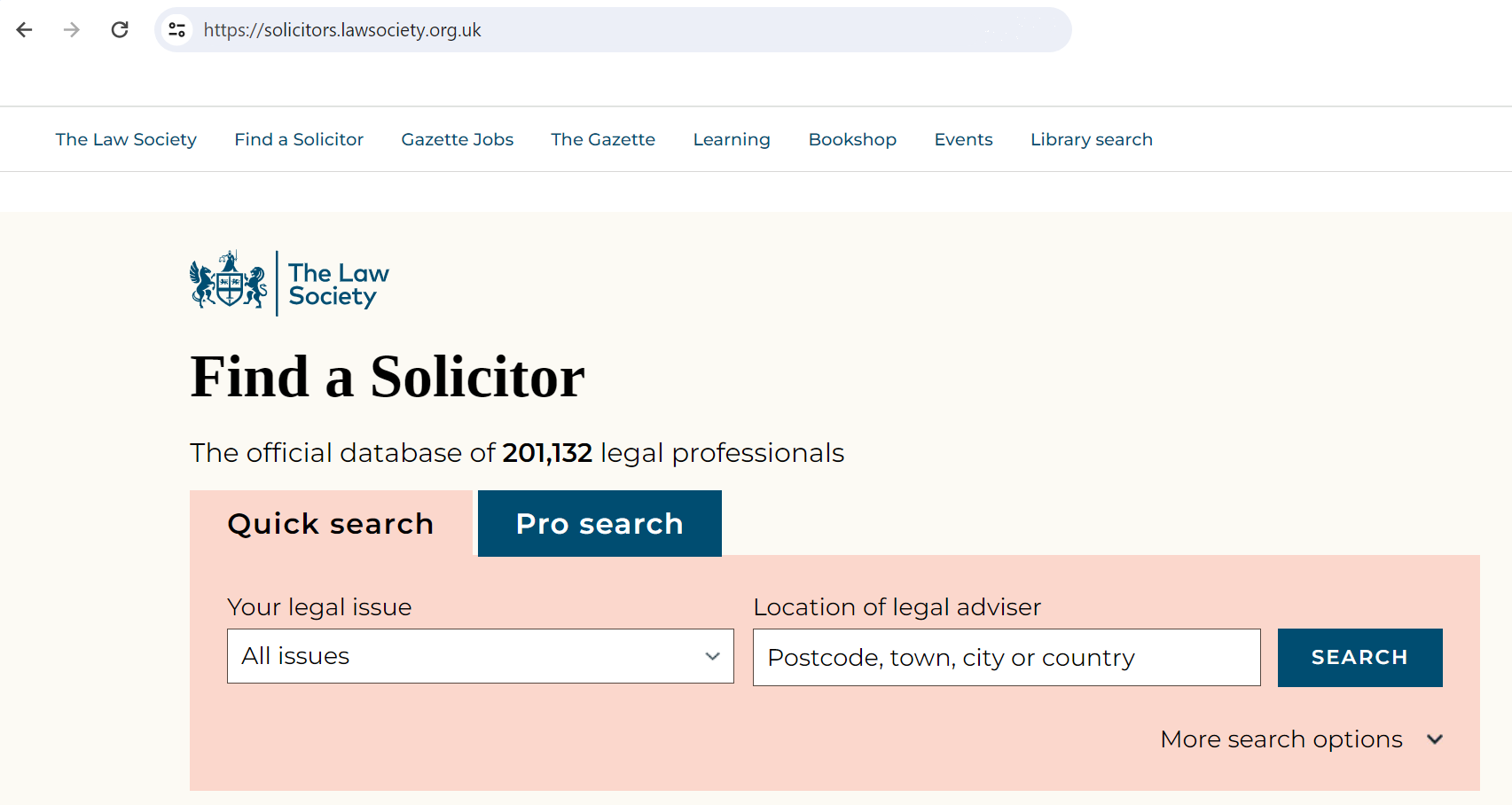
Consulting a solicitor is essential, especially when complex contracts like option agreements are involved. A solicitor can help you understand the full scope of the agreement, its potential risks, and how it could impact your ability to sell your property quickly and efficiently. For homeowners in urgent financial situations, getting this clarity can prevent future complications and financial strains.
What to Do If You Spot an Option Agreement
Not every option agreement is a problem, but some terms should make you pause before signing. The biggest risks are usually long delays, unclear buyer commitment and restrictions that stop you from accepting another offer.
| Red flag | Why it matters |
|---|---|
| Long option period | Your property may be tied up for too long |
| No clear completion date | The sale may drift without certainty |
| Buyer is not obliged to complete | You may not have a guaranteed sale |
| You cannot accept other offers | You lose control of the sale |
| Vague price wording | The final price may be disputed |
| Verbal promises only | You may struggle to prove what was agreed |
| Pressure to sign quickly | You may not have time to get legal advice |
What to Do If You Spot an Option Agreement
If you find signs of an option agreement in your property contract, don’t rush ahead. Taking a few careful steps now can save you from delays or unexpected obligations later. Here’s what to do next:
-
Don’t sign anything until you fully understand the terms.
-
Ask the buyer to explain the agreement in writing.
-
Get legal advice from a property solicitor before you go any further.
Worried About Complex Sale Terms?
At Housebuyers4u, we never use option agreements or hidden clauses, just clear, straightforward cash offers every time. If you want a guaranteed sale you can trust, get your free, no-obligation quote today and sell with total peace of mind.
You stay in control at every step, with no unexpected delays or legal surprises—just a simple, stress-free sale from start to finish.
Learn more about how to Check if a Company is Legitimate