Got a question or want to discuss how we can help with your house sale? Call us 24/7 anytime
Freephone: 0800 0845 025

House Buyers UK - #1 Cash Property BuyersHouse Buyers UK - #1 Cash Property BuyersHouse Buyers UK - #1 Cash Property BuyersHouse Buyers UK - #1 Cash Property Buyers
  • How it works
  • Services
    • Sell your House Fast
    • How Much is Your House Worth
  • Selling Guides
    • House Buying Companies
    • Best Time to Sell your House
    • How Long It Takes to Sell a House
    • Selling Situations
      • Broken House Chain (Fallen through)
      • Relocating or Emigrating Sale
      • Financial Difficulties (Release Cash)
      • Sell House After Divorce
      • Selling Inherited Property (UK)
      • Selling a Tenanted property
      • Selling a Probate Property
      • Sell a House in Any Condition
      • Stop House Repossession
      • Sell your Flat Quickly
    • Company Reputation Check (Guide)
    • Conveyancing Guide
    • Blog
  • About us
    • About our Company
    • Reviews
    • Success stories
    • Press & Media
    • FAQ
  • Contact us
Free Cash Offer
✕

Energy Performance Certificate? (2026 Costs & How-To Guide)
Updated: May 2026
 
An Energy Performance Certificate, or EPC, rates a property’s energy efficiency from A to G and is usually required when selling, renting or building a home. It shows typical energy use, estimated running costs and recommended improvements. In 2026, an EPC usually costs around £60 to £120, depending on the property and assessor.


Key Takeaways:

  • An EPC rates your home’s energy efficiency from A to G and is valid for 10 years.
  • You usually need an EPC before selling, renting or building a property.
  • EPC costs vary, but homeowners should typically budget around £60 to £120.
  • MENU CLOSED
  • OPEN MENU
    1. What Is an Energy Performance Certificate?
    2. What Does an EPC Check?
    3. What is an EPC Rating?
    4. How to Get an Energy Performance Certificate
    5. How Much Does an Energy Performance Certificate Cost?
    6. Is an EPC a Legal Requirement?
    7. How Can I Improve My Home’s EPC Rating?
    8. Sell Your Home Fast Without EPC Worries
    9. Frequently Asked Questions

What Is an Energy Performance Certificate?


An Energy Performance Certificate is a report that shows how energy efficient a property is. It gives the home a rating from A, the most efficient, to G, the least efficient, and includes recommendations to improve the rating and reduce typical energy costs.

This is what an Energy Performance Certificate looks like:
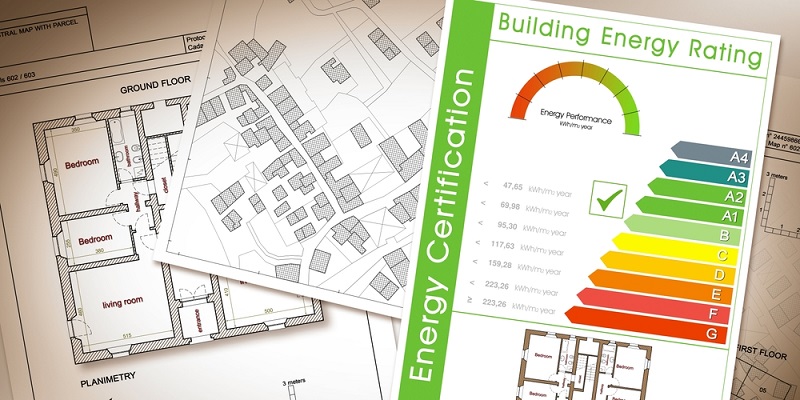

Energy performance certificate


What Does an EPC Rating Mean?


An EPC rating ranks a property’s energy efficiency from A (most efficient) to G (least efficient). Higher ratings mean lower energy costs and a better environmental impact, while lower ratings suggest potential for improvement. A strong EPC score can increase a property’s resale value and attract more buyers or tenants.

Below is an EPC rating chart with the scores and ratings for every energy efficiency band.


EPC rating Score What it means
A 92 plus Most energy efficient
B 81 to 91 Very energy efficient
C 69 to 80 Good energy efficiency
D 55 to 68 Average to below average
E 39 to 54 Lower energy efficiency
F 21 to 38 Poor energy efficiency
G 1 to 20 Least energy efficient

How to Get an Energy Performance Certificate


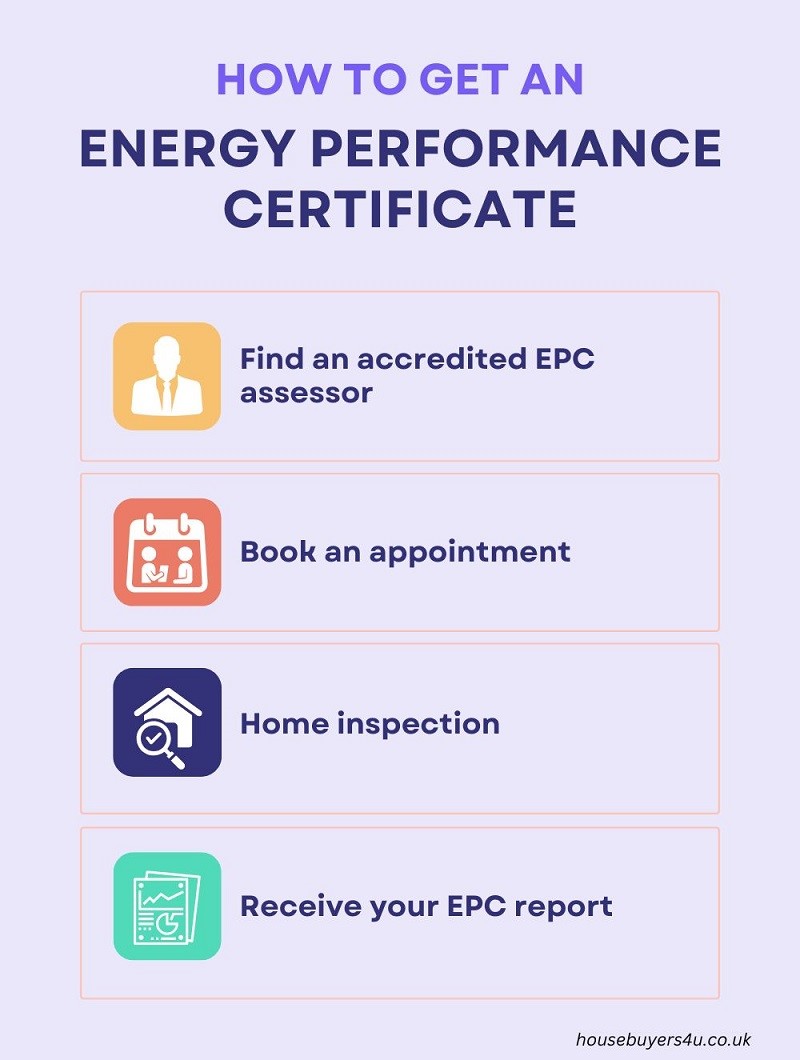
How to get an energy performance certificate


Getting an EPC is a simple process, but it's important to use a qualified assessor to ensure accuracy. Here’s how to get one:

  1. Find an accredited EPC assessor – Use the UK government’s official database to ensure they are qualified.
  2. Book an appointment – Schedule a visit at a convenient time for the assessment.
  3. Home inspection – The assessor evaluates insulation, heating, glazing, and ventilation.
  4. Receive your EPC report – Your certificate, including the rating and recommendations, is typically issued within a few days.

This certificate is legally required when selling, renting, or building a home and helps buyers or tenants understand the property's energy efficiency.

Related Read: What do surveyors check when valuing homes


How Long Does an EPC Last?


An EPC is valid for 10 years. If your property already has a valid EPC, you may not need a new one before selling or renting. However, if you have made improvements such as new insulation, a modern boiler, double glazing or solar panels, it may be worth getting a new EPC so the rating reflects the current condition of the home.

Related Read: Is my house worth more with an EPC?


How to Check Your EPC Rating?


You can check whether your property already has an EPC by using the official GOV.UK “Find an energy certificate” service. You can search by postcode, street name, town or certificate number.


What Does an EPC Assessor Check?


An EPC assessor usually looks at:

  • Loft and wall insulation
  • Heating system
  • Hot water system
  • Windows and glazing
  • Lighting
  • Ventilation
  • Property size and construction type
  • Any renewable energy systems

How Much Does an Energy Performance Certificate Cost?


An EPC usually costs around £60 to £120 in 2026, depending on your property size, location, assessor and how the booking is arranged. Larger home types or more complex properties may cost more


Property type Typical EPC cost
Small flat Around £60 to £80
Standard house Around £70 to £100
Larger home Around £90 to £120 plus


Who Pays for an EPC?


  • Home sellers – Must obtain and pay for an EPC before listing the property for sale.
  • Landlords – Required to provide an EPC to potential tenants before renting out a property.
  • Builders – Must supply an EPC for new-build homes upon completion.

Is an EPC a Legal Requirement?


Yes, an EPC is usually a legal requirement when selling, renting or building a property. For sellers, the EPC should be available when the property is marketed. For landlords, the property must meet minimum energy efficiency rules unless a valid exemption applies.

For privately rented homes in England and Wales, GOV.UK’s landlord guidance still refers to the minimum energy efficiency standard of EPC band E. The guidance was last updated in May 2026.


Expert advice from our property expert Paul:
 
"We’ve seen time and time again how EPC ratings influence buyer decisions. A well-rated home is easier to sell, while properties with lower ratings often take longer to sell or receive lower offers. Some buyers are even required to meet certain energy efficiency criteria when applying for a mortgage, which can limit their options for lower-rated homes."
 
"At Housebuyers4u, our buying team understands these challenges. That’s why we offer a quick and guaranteed sale, no matter the EPC rating, helping sellers move on without the hassle of costly upgrades or long waits on the open market."

How Can I Improve My Home’s EPC Rating?


Boosting your EPC rating can lower energy bills, make your home more attractive to buyers, and even increase property value. Here’s how you can improve your score.


Ways to Increase Your Energy Score


  • Upgrade insulation – Loft, cavity wall, and floor insulation help retain heat.
  • Switch to energy-efficient lighting – LED bulbs reduce energy use and last longer.
  • Improve heating systems – Modern boilers, smart thermostats, and underfloor heating can boost efficiency.
  • Install double or triple glazing – Better windows reduce heat loss and improve comfort.
  • Consider renewable energy – Solar panels or heat pumps can significantly improve your EPC rating.


How Much Can Energy-Efficiency Improvements Cost?


According to a recent study by Nationwide Building Society, the average cost to improve a property's energy efficiency to band C is approximately £8,100. However, for properties rated F or G, the cost is considerably higher, averaging around £25,800.

The cost of improving energy efficiency depends on the size of your home and the type of upgrade:

  • Loft insulation – £300–£500
  • Cavity wall insulation – £800–£1,500
  • New energy-efficient boiler – £2,000–£4,000
  • Solar panels – £5,000–£8,000
  • Double glazing – £3,000–£7,000

While some upgrades require a larger upfront cost, they can lead to significant long-term savings on energy bills and increase your home’s appeal to buyers.

Sell Your Home Fast Without EPC Worries with Housebuyers4u


Improving your EPC rating can make your home more energy-efficient and attractive to buyers, but if you're looking for a quick sale without the hassle of upgrades, Housebuyers4u can help.
 
We buy any home in any condition, so you don’t need to worry about costly improvements, energy ratings, or dealing with estate agents. Get in touch with us today!

Frequently Asked Questions

1Is it worth getting an Energy Performance Certificate?
Yes, an EPC is legally required when selling or renting a property, but it’s also useful for homeowners looking to improve energy efficiency and lower bills. It provides clear recommendations on upgrades that can make your home cheaper to run and more attractive to buyers.
2How long does an EPC inspection take?
An EPC inspection usually takes 30 to 60 minutes, depending on the size and complexity of the property. The assessor will check insulation, heating, glazing, and ventilation before providing a detailed energy efficiency rating.
3Can I do my own EPC certificate?
No, only accredited energy assessors can issue an EPC. You must hire a qualified professional to inspect your home and generate the certificate, which is then registered on the official government database.
4Can an EPC rating go down?
Yes, if you remove energy-efficient features like insulation or replace a modern boiler with an older one, your EPC score can decrease. Changes in assessment criteria over time may also impact ratings on older certificates.
5Can an electrician do an EPC certificate?
No, unless they are also a qualified EPC assessor. EPCs cover insulation, heating systems, and energy efficiency, so only professionals trained in full home energy assessments can legally issue one.
6What’s the average EPC rating in the UK?
The average EPC rating for homes in England and Wales is D (score of 60). Newer properties, particularly those built after 2012, tend to have higher ratings (B or C) due to better insulation and modern heating systems.

Got a question or want to talk to a property selling expert?


Get Your Free Cash Offer

Related posts

One weak link can break a property chain
October 23, 2025

What Is a Property Chain?


Read more
A home seller googling under his table what vendor suited means
October 9, 2025

What Does Vendor Suited Mean?


Read more
Completion statement details swarming a homeowner
September 10, 2025

What Is a Completion Statement?


Read more

Comments are closed.

General

About us
Housebuyers4u Reviews
How it works
Free Cash Offer
Complaints
Terms & Conditions
Privacy & Cookie policy
Terms of business
Careers

House Selling

We Buy Houses For Cash
Sell your House Fast
How Much is Your House Worth

Popular guides
Companies that Buy Houses
We buy any home reviews
British home buyers
National homebuyers reviews

Talk to us

Contact us form

Phone: 0800 0845 025

Email: info@housebuyers4u.co.uk

Housebuyers4u ® Registered Trademark 2026. Address: Vicarage Chambers, 9 Park Square East, Leeds, England, LS1 2LH
Housebuyers4u is a trading style of Buy-Investment-Properties Limited. Registered company number 06456493.